How Better Workdays Start With Comfortable Workwear
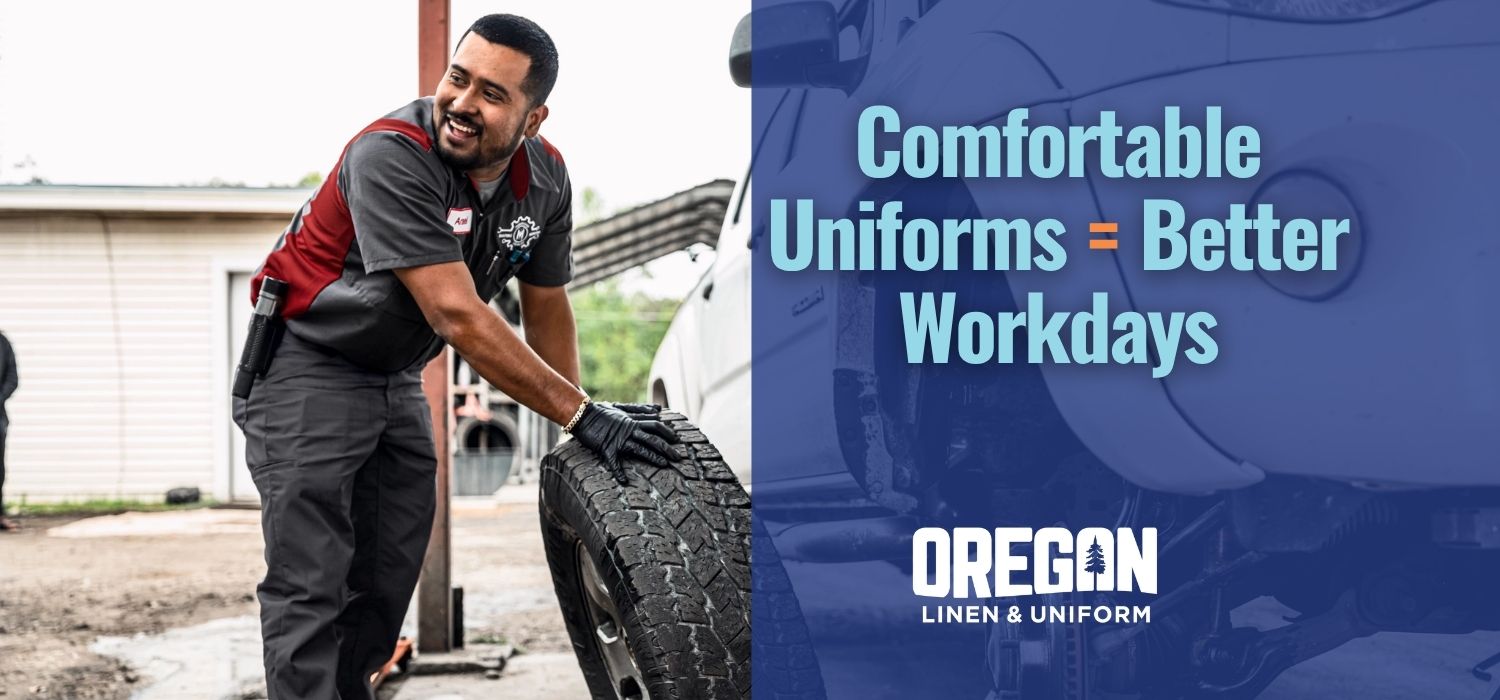
When you're working an eight or ten-hour shift, your uniform can either make your day easier or become one more thing you have to think about.
A shirt that doesn't breathe, pants that restrict movement, fabric that holds onto moisture, a fit that feels fine for the first hour but becomes uncomfortable by the end of a shift.
None of these problems seem like a big deal on their own, but when employees are constantly adjusting their uniforms, feeling overheated, or dealing with uncomfortable clothing, it can become a distraction.
The right workwear should do its job without getting in the way of theirs.
What Makes a Uniform Comfortable?
A few things make a noticeable difference:
- Breathable fabrics that allow heat and moisture to move away from the body
- Proper fit that gives employees room to move without being overly loose
- Flexible materials that don't restrict bending, reaching, lifting, or sitting
- Moisture management for employees working in hot or physically demanding environments
- Durable construction that can handle repeated wear and industrial laundering
- Industry-specific design that considers the actual work employees perform
Not Every Fabric Works for Every Job
Fabric choice matters more than you might think.
For example, a restaurant kitchen can be hot, fast-paced, and physically demanding. An employee working around ovens and grills doesn't necessarily need the same type of garment as someone working in an office or a climate-controlled facility.
Cotton is comfortable and breathable, making it a popular choice for many work environments. However, it can absorb moisture and take longer to dry. That may not be ideal for employees who spend their shifts working in heat or sweating heavily.
Polyester and polyester blends tend to dry faster and can offer good durability and moisture management. Blended fabrics can also provide a balance between comfort, performance, and easy care.
Performance fabrics are designed specifically to help with moisture, breathability, and movement. These can be a good option for employees working outdoors, in warm environments, or in physically demanding roles.
Industrial workwear fabrics are built with durability in mind and may provide additional protection depending on the garment and application.
The right uniform program takes those differences into account.
Fit Matters More Than You Might Think
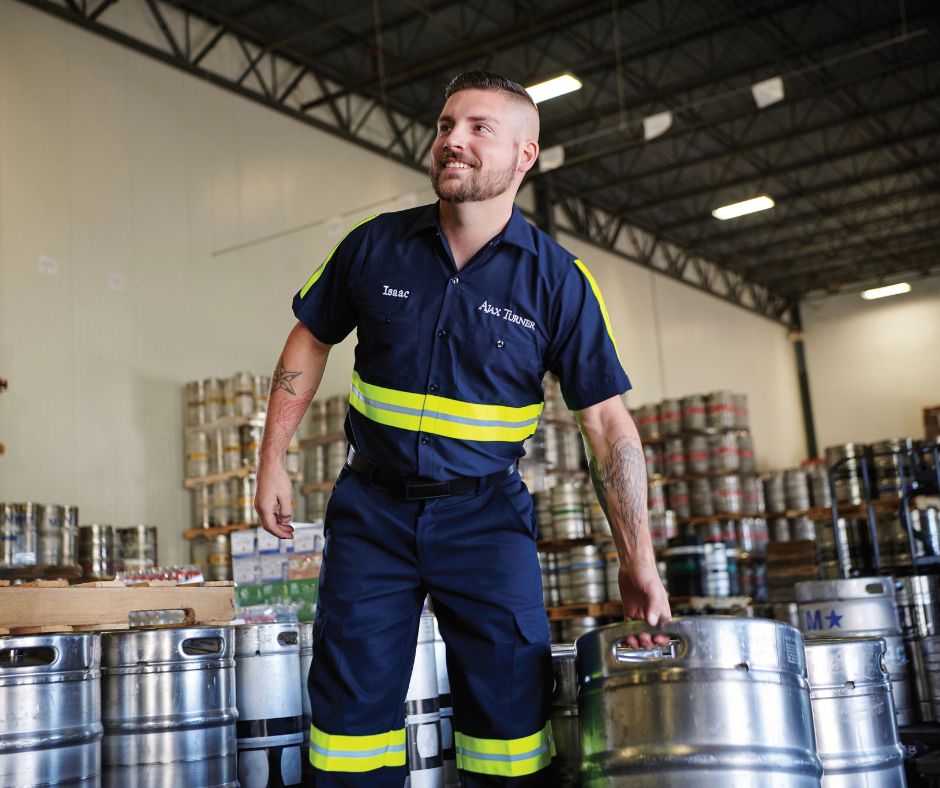
Even a high-quality garment won't be comfortable if it doesn't fit properly.
A uniform that's too tight can restrict movement and make everyday tasks more difficult and one that's too loose can get in the way, catch on equipment, or simply become distracting throughout the day.
Proper fit gives employees the freedom to move naturally.
That matters for jobs that involve bending, lifting, climbing, reaching, driving, walking, or spending long periods on your feet.
It also matters for morale. Employees are more likely to feel comfortable and confident when they have uniforms that fit properly and look appropriate for their role.
That's one reason sizing should be an ongoing part of a uniform program, not something that's only addressed when an employee is first hired.
Heat and Moisture Can Add to Fatigue
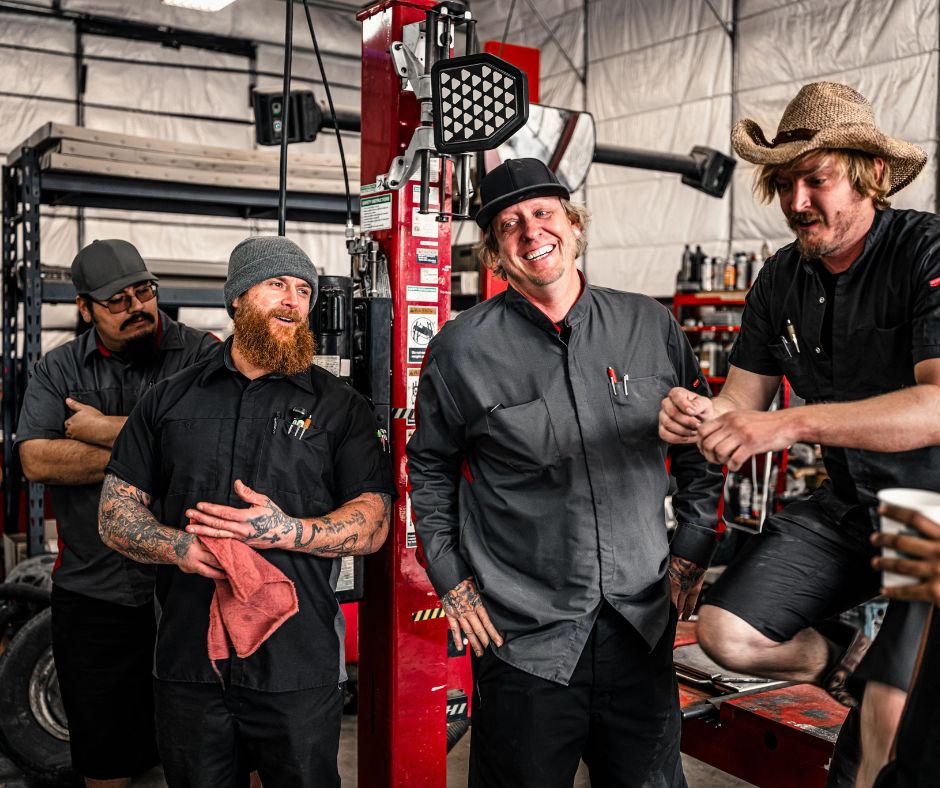
Working in heat takes energy, add on a heavy or poorly ventilated uniform, and employees may become uncomfortable even faster.
This is especially important in industries where employees work outdoors, around machinery, in kitchens, warehouses, or other warm environments.
Breathable fabrics and moisture management can help employees stay more comfortable as their body temperature rises. Lightweight garments, appropriate layering, and fabrics that dry more quickly can also make a difference.
For employees working outside, uniforms should also be selected with the season and conditions in mind. A garment that works well during a cool Oregon morning may not be the best choice for a hot afternoon.
Comfort doesn't mean employees never get hot or tired. It means their clothing isn't making those conditions harder than they already are.
A Few Simple Ways to Improve Uniform Comfort
If you're not sure whether your current uniforms are working for your team, start by asking employees what they actually experience during their shifts.
You may find that a few simple changes could make a noticeable difference.
- Ask where employees are uncomfortable.
Is the issue heat? Fit? Fabric? Movement? Something else? The people wearing the uniforms every day can tell you what isn't working. - Consider the work environment.
Employees working outside, in kitchens, around machinery, or in warehouses may need different garments than employees working indoors. - Look at the fabric.
Think about breathability, moisture management, durability, and how the fabric performs throughout a full shift. - Revisit sizing.
Employees change, roles change, and sizing needs change. Make sure your uniform program can accommodate those changes. - Choose garments for the job, not just the look.
A uniform can look great and still be a poor choice for the work being performed. - Pay attention to what employees keep saying.
If multiple employees complain about the same garment, it's probably worth taking a closer look.
Frequently Asked Questions About Uniform Comfort
Does a more comfortable uniform really make employees more productive?
Comfort alone won't solve every productivity problem, but uncomfortable clothing can create distractions throughout the day. Uniforms that allow employees to move freely and stay more comfortable in their work environment can help them focus on the task at hand instead of their clothing.
What is the best fabric for work uniforms?
There isn't one fabric that's best for every job. Cotton can offer breathability and comfort, while polyester and blended fabrics can provide durability, faster drying, and moisture management. Performance fabrics may be a good fit for warm or physically demanding environments. The right choice depends on the industry and working conditions.
How often should employees get new uniforms?
It depends on the garment, the job, and how frequently the uniform is worn and laundered. A good uniform program should monitor garment condition and make it easy to repair or replace items when they're no longer performing properly.
What should employees working in hot environments wear?
Look for lightweight, breathable garments that allow moisture and heat to move away from the body. The right choice will depend on the job and any safety or industry requirements that also need to be considered.
Can the wrong uniform affect safety?
It can. Garments that restrict movement, don't fit properly, or aren't appropriate for the work environment may create additional distractions or hazards. Uniforms should be selected with both comfort and job-specific safety requirements in mind.
The Right Uniform Should Work as Hard as Your Employees
Employees spend a lot of time in their workwear, so it's worth making sure that workwear is helping them do their jobs instead of making the workday more difficult.
The right uniform can support movement, help employees stay comfortable in changing conditions, and give them clothing that's built for the work they're actually doing.
And when you have a uniform program built around your industry, employees don't have to think about whether their uniform is going to work for them. They can put it on, start their shift, and get to work.
We help businesses build uniform programs around the people wearing them and the work they do. We can help you find garments that make sense for your industry, support your employees, and simplify uniform management along the way.
Reach out to our team to talk about what a better uniform program could look like for your business.