Are Your Safety Uniforms Supporting Your Workplace Safety Goals?
When most businesses think about workplace safety, they focus on the obvious things. Employee training, safety procedures, equipment maintenance, personal protective equipment, and regulatory compliance all play an important role in keeping employees safe on the job.
What often gets overlooked is something employees wear every single day: their uniforms.
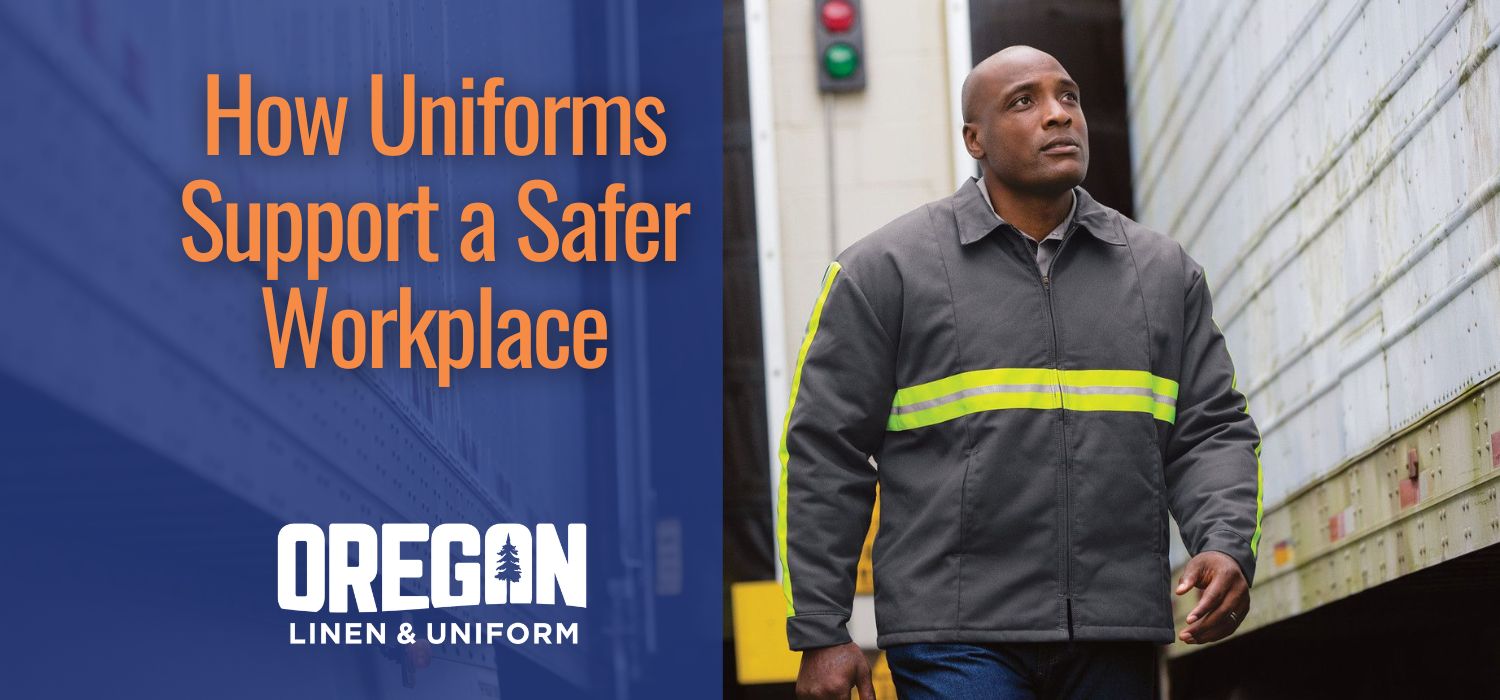
The reality is that safety uniforms do much more than create a professional appearance. The right uniforms can help employees work comfortably, move safely throughout their day, and stay protected from the unique hazards that come with their jobs. In industries like automotive, food service, and trade services, uniforms are often an important part of a company's overall safety strategy.
A well-managed uniform program can help remove obstacles, reduce risks, and give employees one less thing to worry about as they focus on their work.
Small Uniform Issues Can Create Bigger Workplace Problems
Workplace safety is often built on attention to detail. A single distraction can pull an employee's focus away from the task in front of them, especially in environments where machinery, vehicles, tools, or hazardous materials are involved.
That's why seemingly small uniform issues can sometimes create larger challenges. Pants that drag on the floor can become trip hazards. Shirts that don't fit properly can restrict movement or become uncomfortable during physically demanding work. Damaged garments may not provide the same level of performance they were originally designed to deliver.
Most employees won't stop what they're doing to complain about a torn seam or an uncomfortable uniform. They'll simply work around the problem. Over time, those small inconveniences can affect comfort, productivity, and in some situations, safety.
A good safety uniform program helps eliminate those distractions by making sure employees have garments that fit correctly, perform as intended, and are readily available when they need them.
Safety Uniforms Need to Match the Work Being Done
Not every workplace faces the same risks, which means not every uniform should be treated the same way.
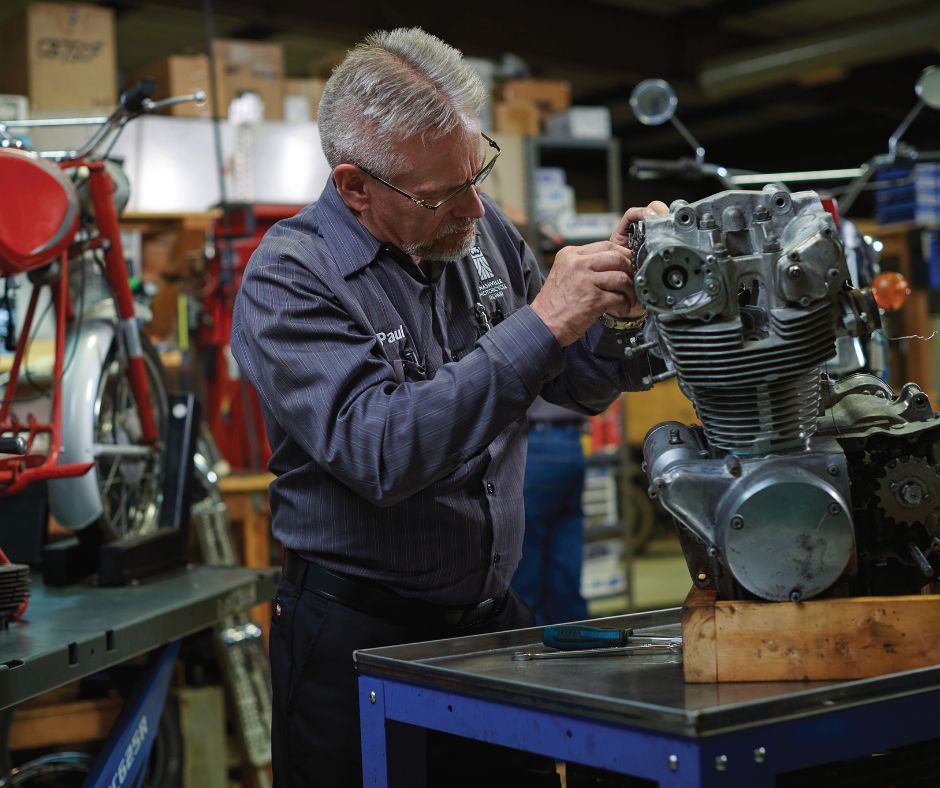
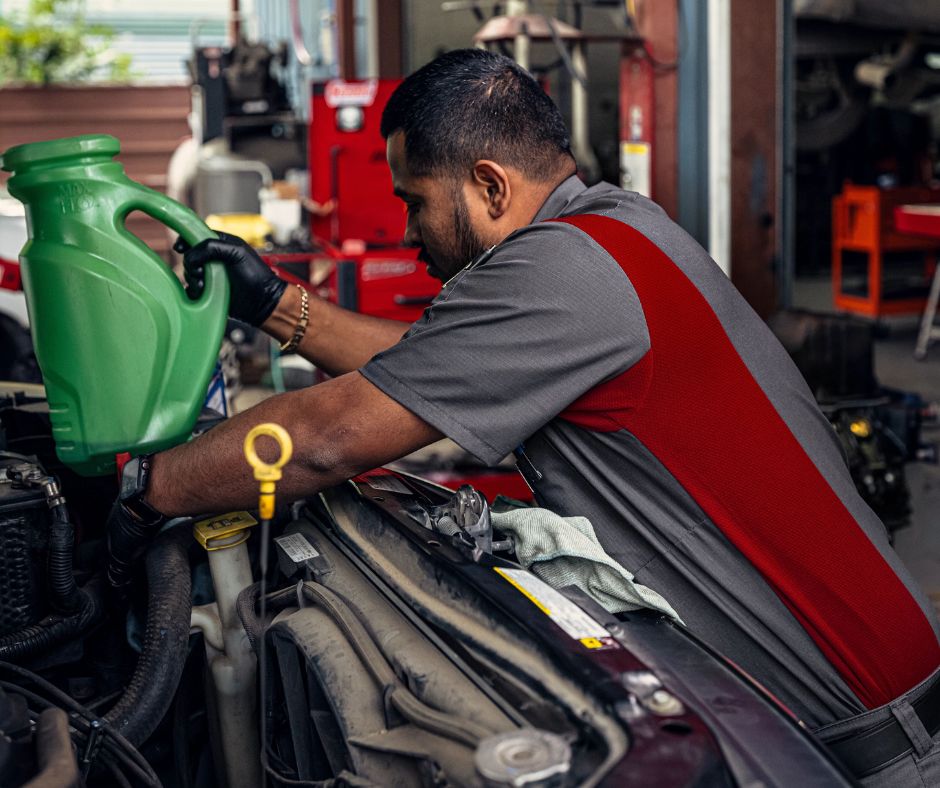
An automotive technician has very different needs than someone working in food service, so the most effective safety uniforms are designed around the work being performed. In automotive environments, durable fabrics and oil-release technologies can help garments stand up to grease, oil, and daily wear. Manufacturing employees may require garments designed for durability, freedom of movement, and enhanced visibility. Food service often places a greater emphasis on cleanliness and consistent garment care.

5 Workplace Safety Improvements You Can Start Today
Building a stronger safety culture doesn't always require major changes. In many cases, small improvements implemented consistently can make a meaningful difference.
1. Add a Weekly or Bi-Weekly Safety Spotlight
Set aside a few minutes during team meetings to discuss a safety topic relevant to your workplace. This could include seasonal hazards, proper equipment usage, housekeeping reminders, or lessons learned from recent incidents. Regular conversations help keep safety top of mind and encourage employees to stay engaged.
2. Review Your First Aid Readiness
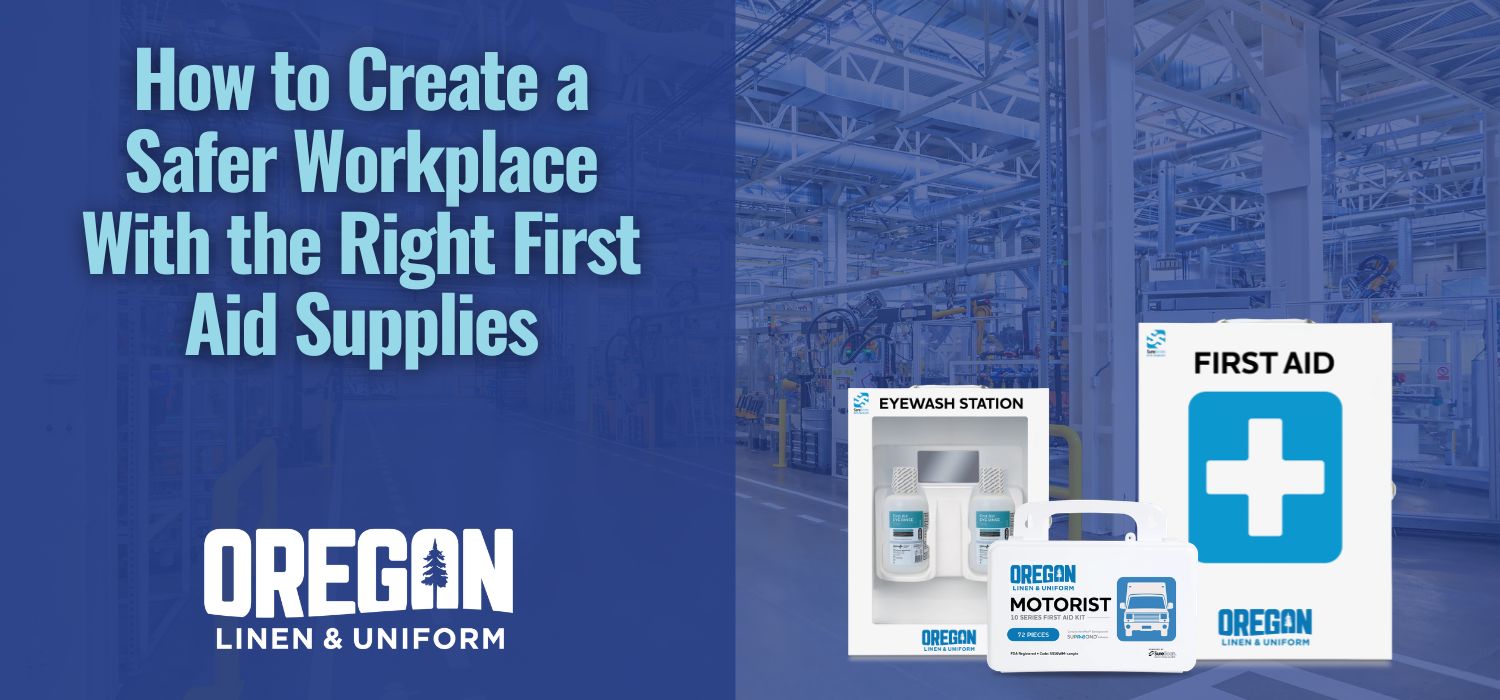
When an injury occurs, having the right supplies available matters. If managing first aid inventory has become a challenge, working with a first aid service provider can help guarantee your supplies are consistently maintained and ready when needed
3. Encourage Employees to Speak Up
Small issues can quickly become bigger safety concerns if they go unreported. Create a culture where employees feel comfortable reporting hazards, damaged equipment, maintenance concerns, or even uniform issues that could impact their ability to work safely. The sooner problems are identified, the easier they are to address.
4. Walk Your Facility with Fresh Eyes
Take a few minutes to view your workplace as if you're seeing it for the first time. Look for cluttered walkways, poor lighting, blocked exits, missing signage, or other potential hazards that may have become easy to overlook. Sometimes the most valuable safety improvements come from simply paying closer attention to your surroundings.
5. Make Sure Employees Have the Tools They Need
Employees should have access to properly fitting uniforms, appropriate safety equipment, and the supplies required to perform their jobs effectively. When workers have confidence in the tools and resources provided to them, they're better positioned to focus on the task at hand and work safely throughout the day.
Safety Doesn't Stop After a Uniform Is Issued
One of the biggest misconceptions about workplace uniforms is that once garments are distributed, the job is done.
In reality, maintaining a uniform program is just as important as selecting the right garments in the first place.
Employees grow, change positions, require different sizes, and occasionally damage garments while doing their jobs. New team members join the organization. Existing employees need repairs, replacements, or additional items. Throughout the year, there are countless situations that require adjustments to keep a uniform program running smoothly.
When those issues aren't addressed quickly, employees are often left making do with garments that no longer fit properly, have become damaged, or simply aren't available when needed.
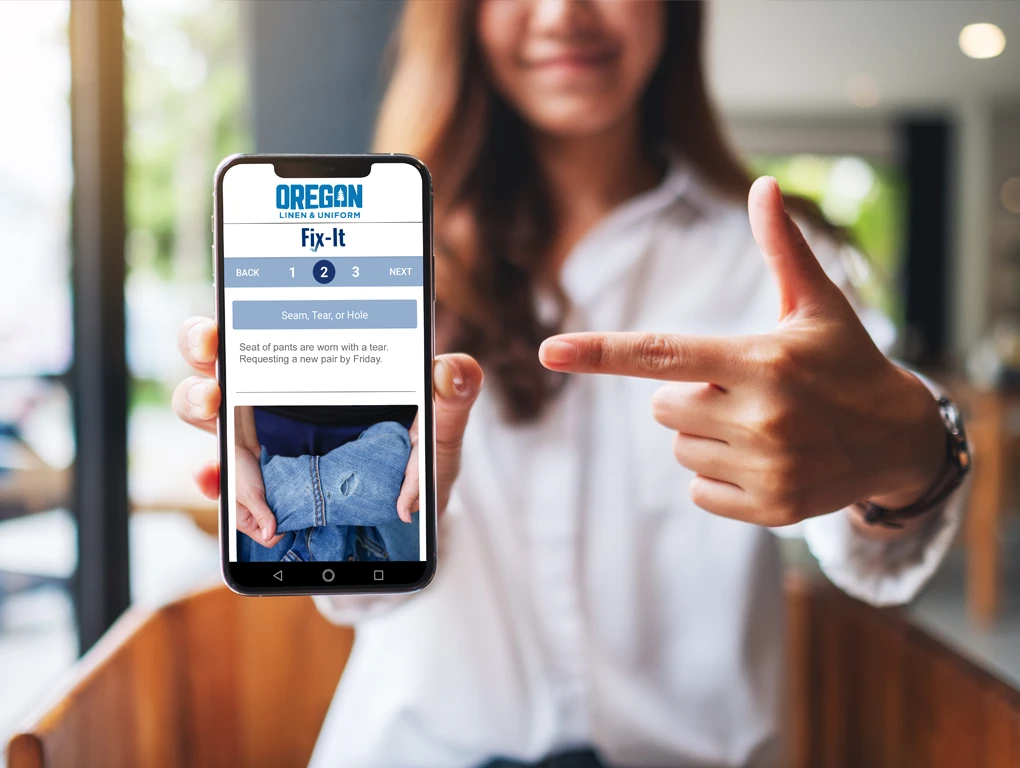
That's one reason responsive service matters so much. At Oregon Linen, we've invested in tools like our Fix-It App because we know uniform issues don't always happen on a delivery day. Employees and managers need a simple way to communicate concerns, request repairs, and get support when situations arise. We also offer rush and after-hours support because we understand that when someone relies on a uniform to perform their job, waiting isn't always an option.
A Strong Safety Culture Includes the Basics
Companies with strong safety cultures often have one thing in common: they pay attention to the details.
They understand that workplace safety isn't created through a single initiative or annual training session. It's built through hundreds of decisions made every day that help employees do their jobs safely and effectively.
Providing properly fitted, professionally maintained safety uniforms is one of those decisions.
Employees shouldn't have to wonder if they'll have clean uniforms available for their next shift. Managers shouldn't spend valuable time tracking down replacements or dealing with preventable garment issues. A well-managed uniform program removes those headaches while helping create a more consistent experience for everyone involved.
Taking a Fresh Look at Your Uniform Program
National Safety Month is a great opportunity to evaluate the systems and processes that support your workforce every day.
If you're reviewing your workplace safety program, don't overlook the role your uniform provider plays in that conversation. Ask yourself whether your employees have the garments they need, issues are resolved quickly, and if your current program is helping your team work safely and confidently.
For more than 80 years, we’ve helped businesses build dependable uniform programs backed by local service, responsive support, and practical solutions that make life easier for both managers and employees. Because when it comes to workplace safety, every detail matters, including the uniforms your team puts on each morning.