Is Your Workplace Prepared for an Emergency? A Practical Guide for Oregon Businesses
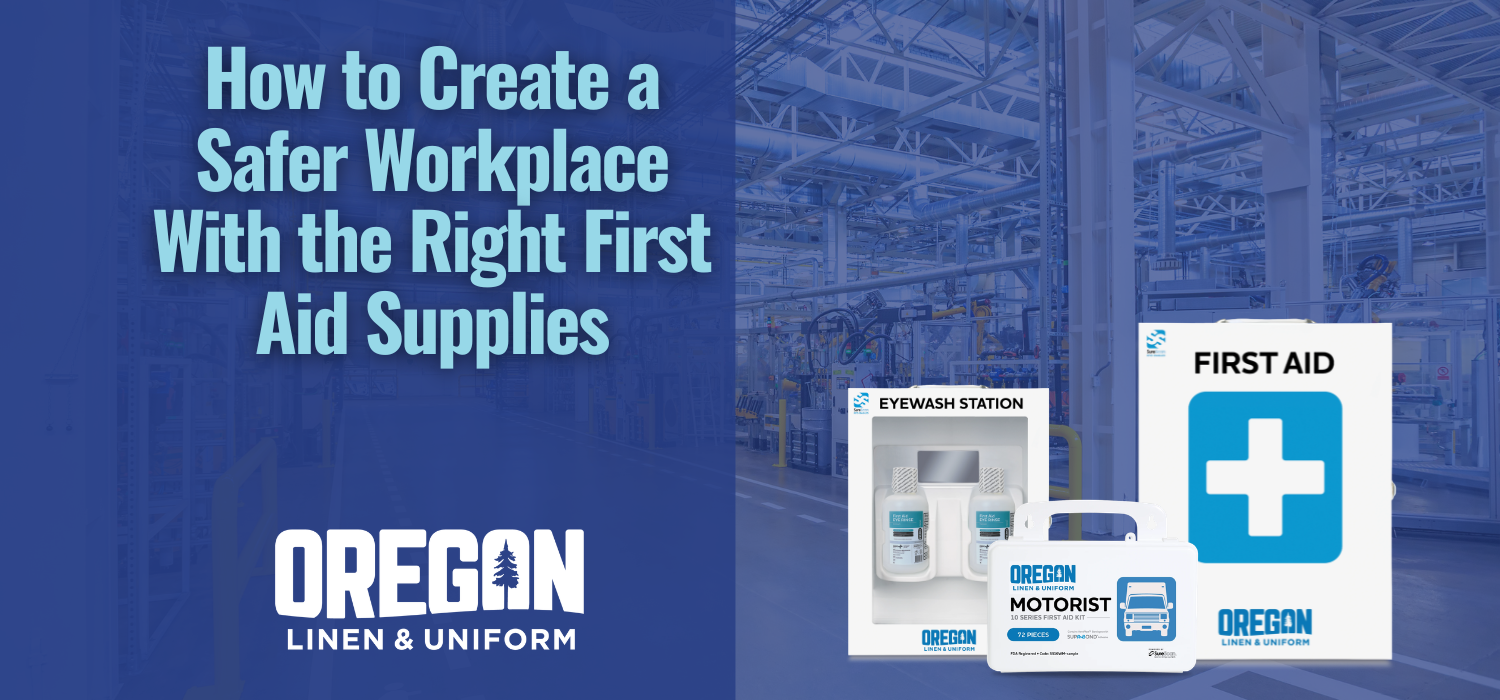
First aid supplies for businesses are one of those things that feel easy to put off, until the moment you actually need them.
Why Workplace First Aid Matters More Than You Think
Injuries happen even in the safest, most well-run workplaces. A slip, a cut, or a splash of something in someone's eyes. It’s important to have the proper protocol and supplies in place because how you respond in those first few minutes matters a lot.
According to OSHA, prompt attention and action can mean the difference between a minor incident and a serious accident. It can reduce recovery time, prevent complications, and in some cases, prevent a situation from becoming life-threatening. Having the right supplies on hand and making sure your team knows how to use them is one of the most straightforward things you can do to protect the people who work for you.
What First Aid Supplies Does Your Business Actually Need?
Not every workplace has the same risks, and your first aid setup should reflect that, but there are some baseline requirements that apply pretty broadly.
OSHA requires employers to make sure that first aid supplies are "readily available" and while they don't always prescribe exactly what that means, the ANSI/ISEA Z308.1–2021 standard gives a solid framework. A Class B first aid kit (recommended for most workplaces) includes things like:
- Adhesive bandages in multiple sizes
- Gauze pads and rolls
- Antiseptic wipes and ointment
- Burn treatment supplies
- Elastic bandages
- Gloves, scissors, and a CPR breathing barrier
- Eye wash and eye coverings
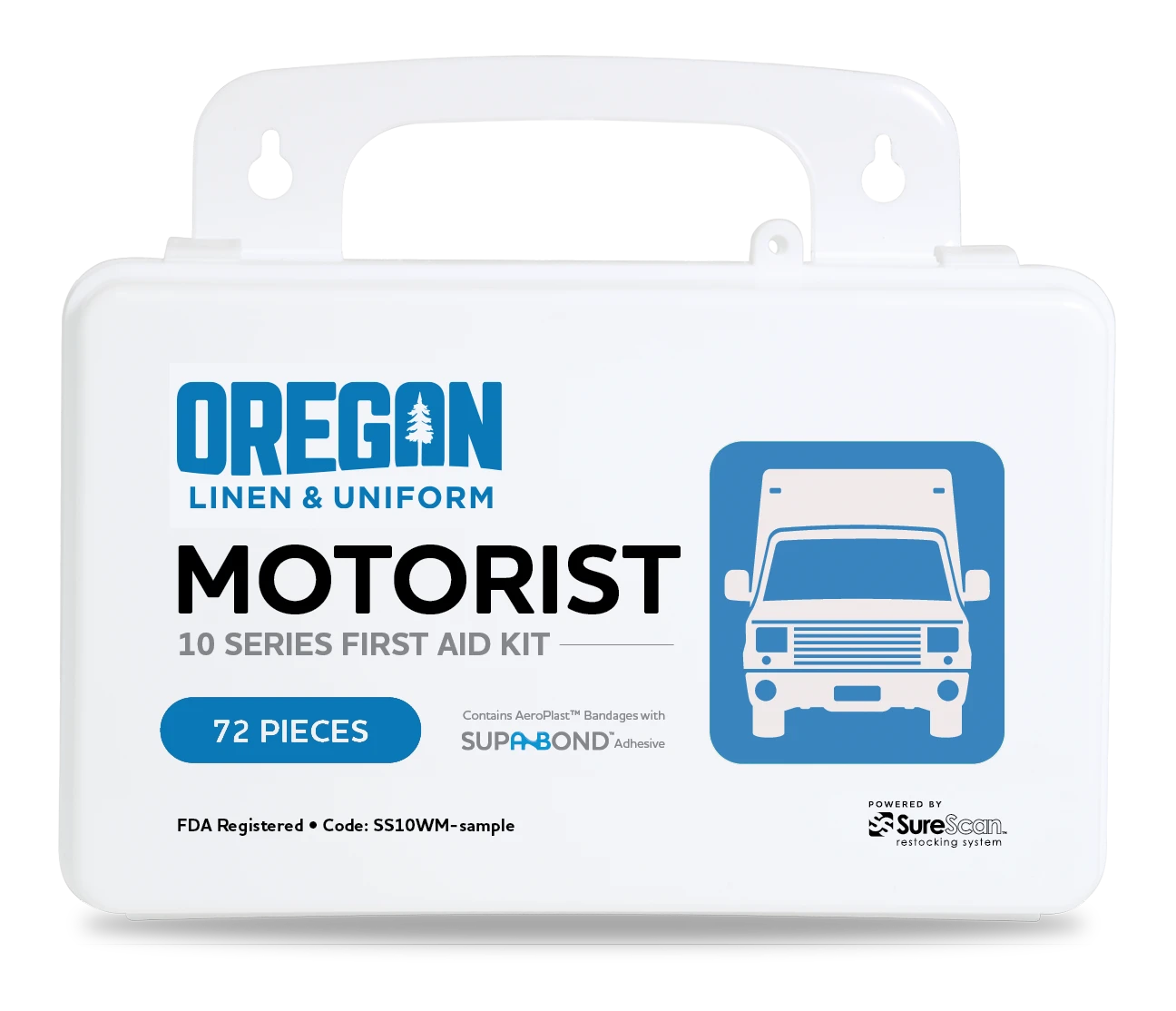
Beyond the basics, think about what's specific to your environment. A restaurant or food processing facility should have blue metal-detectable bandages (standard bandages can end up in food, which is a serious safety (and liability) issue). A warehouse or manufacturing floor might need more robust wound care supplies. A business with drivers on the road needs vehicle-specific kits that meet DOT regulations.
5 Tips to Improve Workplace Safety Right Now
- Do a quick audit of what you actually have. Open your first aid cabinet and check it out. Are supplies expired? Is anything missing? Is the cabinet easy to find and access? A lot of businesses have a cabinet that was stocked years ago and hasn't been touched since, making it pretty much useless.
- Make sure people know where the supplies are and how to use them. This sounds obvious, but it's often overlooked. New employees especially may not know where to find the first aid kit, what's in it, or what to do in an emergency. A quick walkthrough during onboarding goes a long way.
- Consider getting team members trained in first aid and CPR. The American Red Cross and other organizations offer workplace first aid and CPR training that's affordable, quick, and genuinely valuable. Even having one or two trained people on each shift can make a huge difference.
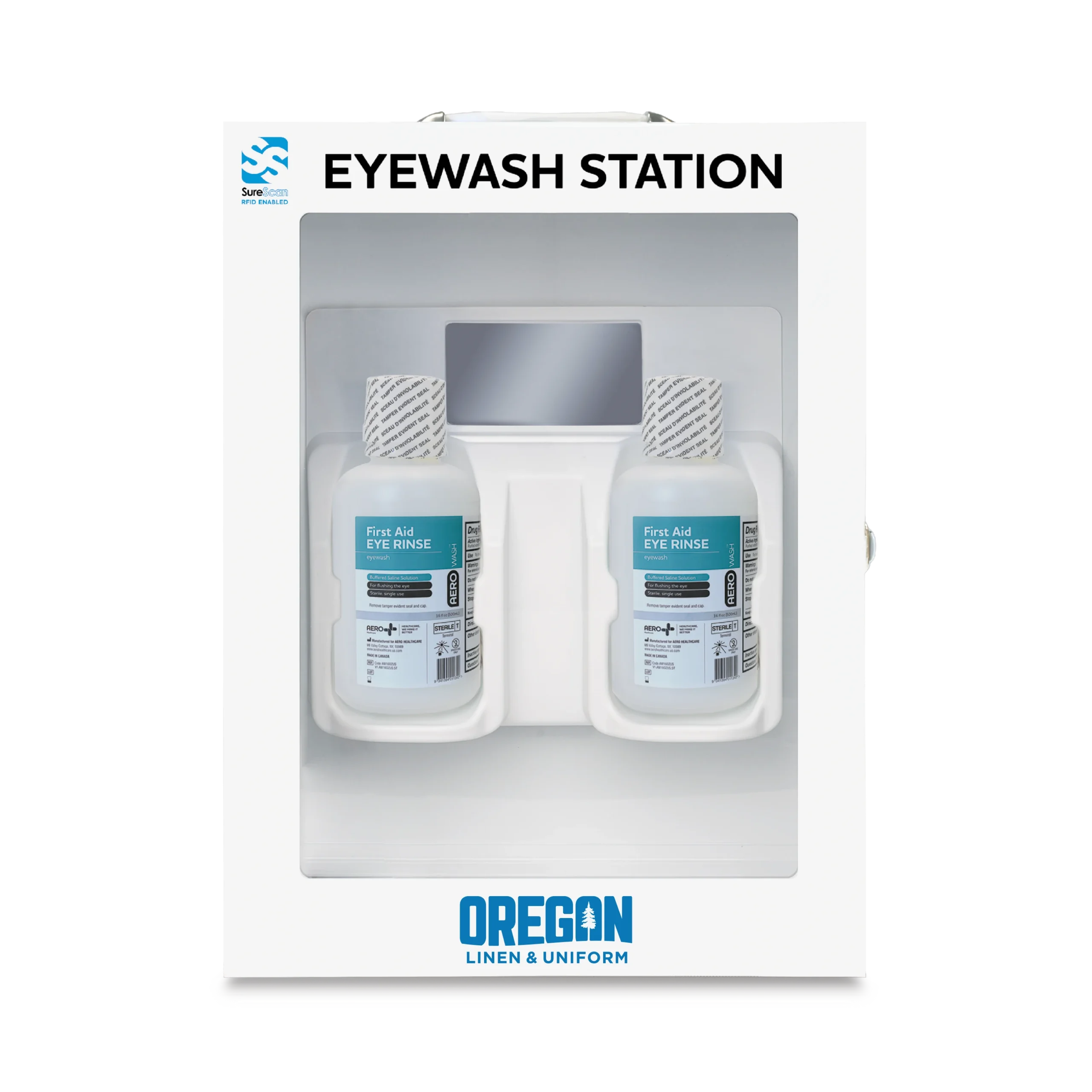
- Pay attention to your eyewash stations. If you have chemicals, cleaning products, or any substances that could splash near eyes, an eyewash station is often required. But here's the thing: a neglected eyewash station can actually cause more harm than good. Water that sits in a station without proper preservation can harbor bacteria. Regular maintenance (draining, refilling with preserved solution) is essential. With most first aid supply programs, monitoring and changing the solution is included.
- Build a habit of restocking after use. It sounds simple, but it's easy for a cabinet to slowly get depleted over time without anyone noticing. Create a simple check-in process even if it's just a monthly peek at what's been used so you're never short on something important.
Pro Tip: Having a first aid supply program takes care of the restocking for you. You don’t have to add this extra task to your to-do list, it’s simply handled.
The Cost of Being Underprepared
Businesses that aren't properly equipped for workplace emergencies can face:
- OSHA fines and compliance violations for not meeting first aid requirements
- Workers' compensation claims that could have been minimized with faster, better initial treatment
- Lost productivity from employees dealing with preventable complications
- Low employee morale — people notice when their employer doesn't take their safety seriously
On the flip side, a well-maintained, properly stocked first aid program sends a clear message to your team: we take care of you here.
What to Look for in First Aid Supplies for Businesses
If you're evaluating your current setup or shopping for supplies, here's what to look for:
Quality matters. Cheap supplies that fall apart when you need them aren't saving you money — they're creating risk. Look for supplies that meet ANSI standards and hold up in real workplace conditions.
Don't forget industry-specific needs. As mentioned, food service needs different bandages than an office. Industrial environments may need heavier-duty supplies. Make sure your kit is actually built for your workplace and number of employees.
Think about maintenance, not just purchase. Buying a first aid kit is step one. Keeping it stocked, current, and compliant is the ongoing work. If tracking expiration dates and reordering supplies isn't something you have bandwidth for, a managed service can take that off your plate entirely.
Check the fine print on your invoices. If you're using a first aid supply service and your invoices keep creeping up with items you didn't request or approve, that's a red flag. Transparent billing with no surprise additions is what you should expect.
How Oregon Linen Can Help
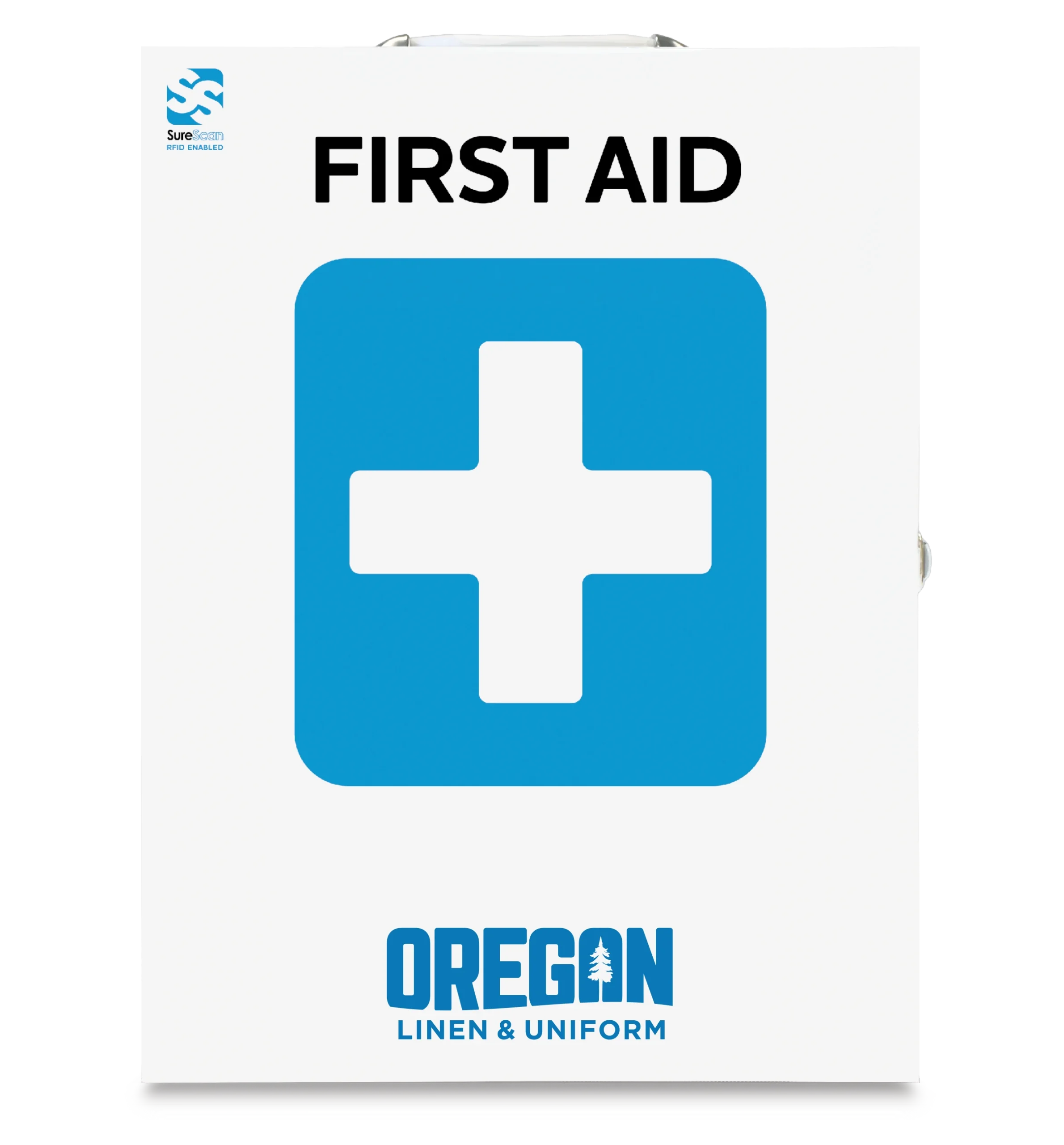
We offer fully stocked, OSHA and ANSI-compliant first aid cabinets (small and large, with or without medications), eyewash bottle stations with regular maintenance, and fleet first aid kits for businesses with mobile workforces.
If you're already working with us for uniforms, mats, or towels, then adding first aid is as simple as a phone call. Your driver is already coming to your facility, your account is already in our system, and everything gets handled in one place.
We're local, family-owned, and have been serving Oregon businesses since 1944. That means you get a dedicated service rep who actually knows your account, transparent billing with no mystery charges, and the kind of responsive service you just don't get from a national chain.
If you're ready to get your workplace properly set up, reach out and we'll take a look together.